









Masechet Chullin is sponsored by Judi Felber in honor of the Hadran Community. “During my first cycle of Daf Yomi, just as we began Masechet Chullin, my son was injured while serving in the IDF. Throughout those two and a half months of difficulty and uncertainty, my fellow learners never left my side. With profound gratitude to the community that held me, encouraged me, and ensured I could keep up with the Daf during those trying times.”
This month’s learning is sponsored by Jonathan Loring in honor of his wife, Leah Ackner and their children Zev and Meira. “From the first day I met my wife in Hebrew class at JTS to watching her show kindness when we volunteered together to help those in need and even when I had to wait 9 years for a first date, my wife has always been an inspiration to me and everyone she meets. Thank you for these 20 years and B’Ezrat Hashem to many more! I love you wifesy.”
This month’s learning is dedicated for a refuah shleima for Pesha Etel bat Sarah
Want to dedicate learning? Get started here:


Today’s daily daf tools:
Masechet Chullin is sponsored by Judi Felber in honor of the Hadran Community. “During my first cycle of Daf Yomi, just as we began Masechet Chullin, my son was injured while serving in the IDF. Throughout those two and a half months of difficulty and uncertainty, my fellow learners never left my side. With profound gratitude to the community that held me, encouraged me, and ensured I could keep up with the Daf during those trying times.”
This month’s learning is sponsored by Jonathan Loring in honor of his wife, Leah Ackner and their children Zev and Meira. “From the first day I met my wife in Hebrew class at JTS to watching her show kindness when we volunteered together to help those in need and even when I had to wait 9 years for a first date, my wife has always been an inspiration to me and everyone she meets. Thank you for these 20 years and B’Ezrat Hashem to many more! I love you wifesy.”
This month’s learning is dedicated for a refuah shleima for Pesha Etel bat Sarah
Chullin 65
בְּתַרְתֵּי תֵּיבוֹת, שְׁמַע מִינַּהּ תְּרֵי שֵׁמוֹת נִינְהוּ.
into two words, conclude from it that they are two names, prohibiting the egg as well.
אֶלָּא מֵעַתָּה ״אֶת כְּדׇר לָעֹמֶר״ דְּפָסֵק לְהוּ סָפְרָא בִּתְרֵי, הָכִי נָמֵי דִּתְרֵי שְׁמֵי נִינְהוּ? אָמְרִי: הָתָם בִּשְׁתֵּי תֵּיבוֹת פָּסֵיק לְהוּ, בִּשְׁנֵי שִׁיטִין לָא פָּסֵיק לְהוּ, אֲבָל הָכָא אֲפִילּוּ בִּשְׁנֵי שִׁיטִין נָמֵי פָּסֵיק לְהוּ.
The Gemara asks: If that is so, what about the name: “Chedorlaomer” (Genesis 14:4), which the scribe splits in two so that it appears as: Chedor Laomer? Is it also true there that they are two names? The verse is clearly referring to only one person. They say in response: There, with regard to Chedor Laomer, the scribe splits the name into two words, but he may not split it into two lines if the first half nears the end of one line. But here, he may split the name bat ya’ana even into two lines, indicating that they are completely separate.
אֲבָל אָמְרוּ חֲכָמִים: כׇּל עוֹף. תַּנְיָא, רַבָּן גַּמְלִיאֵל אוֹמֵר: דּוֹרֵס וְאוֹכֵל – בְּיָדוּעַ שֶׁהוּא טָמֵא, יֵשׁ לוֹ אֶצְבַּע יְתֵירָה וְזֶפֶק וְקֻרְקְבָנוֹ נִקְלָף – בְּיָדוּעַ שֶׁהוּא טָהוֹר. רַבִּי אֶלְעָזָר בְּרַבִּי צָדוֹק אוֹמֵר: מוֹתְחִין לוֹ חוּט שֶׁל מְשִׁיחָה, אִם חוֹלֵק אֶת רַגְלָיו, שְׁתַּיִם לְכָאן וּשְׁתַּיִם לְכָאן – טָמֵא, שָׁלֹשׁ לְכָאן וְאַחַת לְכָאן – טָהוֹר. רַבִּי שִׁמְעוֹן בֶּן אֶלְעָזָר אוֹמֵר: כׇּל עוֹף הַקּוֹלֵט מִן הָאֲוִיר – טָמֵא.
§ The mishna states: But the Sages stated that any bird that claws its prey and eats it is non-kosher. It is taught in a baraita: Rabban Gamliel says: A bird that claws its prey and eats it is certainly non-kosher. If it has an extra digit and a crop, and its gizzard can be peeled, it is certainly kosher. Rabbi Elazar, son of Rabbi Tzadok, says: One stretches a line, and the bird perches on it. If it splits its feet on the line, with two digits here and two there, it is non-kosher. If it places three digits here and one there, it is possibly kosher. Rabbi Shimon ben Elazar says: Any bird that catches food out of the air is non-kosher.
צִיפַּרְתָּא נָמֵי מִקְלָט קָלְטָה! אָמַר אַבָּיֵי: ״קוֹלֵט וְאוֹכֵל״ קָאָמְרִי.
The Gemara interjects: But the tziparta also catches food out of the air, and it is kosher. Abaye said: We say this only for a bird that both catches and eats its food in the air. The tziparta lands before eating what it has caught.
אֲחֵרִים אוֹמְרִים: שָׁכֵן עִם טְמֵאִים – טָמֵא, עִם טְהוֹרִים – טָהוֹר.
The baraita concludes: Others say: If a bird dwells with non-kosher birds, it is non-kosher; if it dwells with kosher birds, it is kosher.
כְּמַאן? כְּרַבִּי אֱלִיעֶזֶר, דְּתַנְיָא: רַבִּי אֱלִיעֶזֶר אוֹמֵר: לֹא לְחִנָּם הָלַךְ זַרְזִיר אֵצֶל עוֹרֵב, אֶלָּא מִפְּנֵי שֶׁהוּא מִינוֹ. אֲפִילּוּ תֵּימָא רַבָּנַן, שָׁכֵן וְנִדְמֶה קָאָמְרִינַן.
The Gemara asks: In accordance with whose opinion is this last statement? Perhaps it is in accordance with the opinion of Rabbi Eliezer, as it is taught in a baraita: Rabbi Eliezer says: It was not for naught that the zarzir went to dwell with the crow, but because it is of the same species. The Gemara rejects this: You may even say that the opinion introduced with the words: Others say, is like that of the Rabbis, who disagree with Rabbi Eliezer and deem the zarzir kosher. The statement introduced with the words: Others say, is understood as follows: We say that a bird is non-kosher whenever it both dwells with a non-kosher bird and resembles it. The zarzir, though, does not resemble the crow.
וּבַחֲגָבִים, כֹּל שֶׁיֵּשׁ לוֹ כּוּ׳. מַאי רוּבּוֹ? אָמַר רַב יְהוּדָה אָמַר רַב: רוֹב אׇרְכּוֹ, וְאָמְרִי לַהּ: רוֹב הֶקֵּיפוֹ. אָמַר רַב פָּפָּא: הִלְכָּךְ בָּעֵינַן רוֹב אׇרְכּוֹ, וּבָעֵינַן רוֹב הֶקֵּיפוֹ.
§ The mishna states: And with regard to grasshoppers, any grasshopper that has four legs, and four wings, and two additional jumping legs, and whose wings cover most of its body, is kosher. The Gemara asks: What is considered most of its body? Rav Yehuda said that Rav said: Most of its length. And some say that he said: Most of its circumference. Rav Pappa said: Therefore, one must satisfy both versions of the statement. We require that the wings cover most of its length, and we also require that they cover most of its circumference.
תָּנוּ רַבָּנַן: אֵין לוֹ עַכְשָׁיו וְעָתִיד לְגַדֵּל לְאַחַר זְמַן, כְּגוֹן הַזַּחַל – מוּתָּר. רַבִּי אֶלְעָזָר בְּרַבִּי יוֹסֵי אוֹמֵר: ״אֲשֶׁר לֹא כְרָעַיִם״ – אַף עַל פִּי שֶׁאֵין לוֹ עַכְשָׁיו וְעָתִיד לְגַדֵּל לְאַחַר זְמַן. מַאי זַחַל? אָמַר אַבָּיֵי: אַסְקְרָא.
The Sages taught in a baraita: A grasshopper that has no wings now but will grow them after a time, e.g., the zaḥal, is permitted. Rabbi Elazar, son of Rabbi Yosei, says: The verse states: “Yet these may you eat of all winged swarming things that go upon all fours, which have [lo] jointed legs above their feet, wherewith to leap upon the earth” (Leviticus 11:21). The word lo is written with the letter alef, meaning not, so that it can be understood as: Do not have jointed legs. This teaches that even though it has no jointed legs now but will grow them after a time, it is still kosher. The Gemara asks: What is the zaḥal? Abaye said: It is called askarin in Aramaic.
תָּנוּ רַבָּנַן: ״אֶת אֵלֶּה מֵהֶם תֹּאכֵלוּ אֶת הָאַרְבֶּה וְגוֹ׳״. אַרְבֶּה – זֶה גּוֹבַאי, סַלְעָם – זֶה רָשׁוֹן, חַרְגּוֹל – זֶה נִיפּוּל, חָגָב – זֶה נַדְיָאן. מָה תַּלְמוּד לוֹמַר ״לְמִינוֹ״ ״לְמִינֵהוּ״ ״לְמִינֵהוּ״ ״לְמִינֵהוּ״ אַרְבַּע פְּעָמִים? לְהָבִיא צִיפּוֹרֶת כְּרָמִים, וְיוֹחָנָא יְרוּשַׁלְמִית, וְהָעַרְצוּבְיָא, וְהָרַזְבָּנִית.
The Sages taught in a baraita that the verse states: “These of them you may eat: The arbeh after its kinds, and the solam after its kinds, and the ḥargol after its kinds, and the ḥagav after its kinds” (Leviticus 11:22). The arbeh is the insect known as the govai. The solam is the rashon. The ḥargol is the nippul. The ḥagav is the gadyan. Why must the verse state: “After its kinds,” “after its kinds,” “after its kinds,” and “after its kinds,” four times? It is to include four similar species: The vineyard bird, and the Jerusalem yoḥana, and the artzuveya, and the razbanit, which are also kosher.
דְּבֵי רַבִּי יִשְׁמָעֵאל תָּנָא: אֵלּוּ כְּלָלֵי כְלָלוֹת, וְאֵלּוּ פְּרָטֵי פְרָטוֹת. ״אַרְבֶּה״ – זֶה ״גּוֹבַאי״, ״לְמִינוֹ״ לְהָבִיא
The school of Rabbi Yishmael taught: These appearances of the phrase “after its kinds” in the verse are generalizations, and these species mentioned explicitly are details. The verse must be understood in light of the previous verse, which offers general signs of a kosher grasshopper. The two verses together are a generalization, and a detail, and a generalization, in the following manner: The first verse is a generalization, arbeh is a detail referring to the species govai, and the phrase “after its kinds” is another generalization. According to Rabbi Yishmael’s hermeneutical principles, the second generalization serves to include a case similar to the detail. In this case, the phrase “after its kinds” serves to include
צִיפּוֹרֶת כְּרָמִים.
the vineyard bird, which is similar to the arbeh in that its forehead is not smooth but has small hairs.
אֵין לִי אֶלָּא הַבָּא וְאֵין לוֹ גַּבַּחַת. הַבָּא וְיֵשׁ לוֹ גַּבַּחַת מִנַּיִן? תַּלְמוּד לוֹמַר ״סׇלְעָם״ – זֶה נִיפּוּל, ״לְמִינֵהוּ״ – לְהָבִיא אֶת הָאוּשְׁכָּף.
I have derived only that a species that comes before a person and does not have a smooth forehead is kosher. From where is it derived that even one that comes before a person and has a smooth forehead is kosher? The verse states: “Solam,” and this is the nippul, which has a smooth forehead. The phrase “after its kinds” that follows solam is another generalization, which serves to include a case similar to the detail, i.e., the ushkaf, which has a smooth forehead like the solam.
וְאֵין לִי אֶלָּא הַבָּא וְאֵין לוֹ גַּבַּחַת. הַבָּא וְיֵשׁ לוֹ גַּבַּחַת, הַבָּא וְאֵין לוֹ זָנָב, הַבָּא וְיֵשׁ לוֹ זָנָב מִנַּיִן? תַּלְמוּד לוֹמַר ״חַרְגֹּל״ – זֶה רָשׁוֹן, ״לְמִינֵהוּ״ – לְהָבִיא אֶת הַכַּרְסֶפֶת וְאֶת הַשַּׁחֲלָנִית.
And I have derived only that a species that comes before a person and does not have a smooth forehead, like the arbeh, or one that comes before a person and has a smooth forehead, like the solam, or one that comes before a person and has no tail, is kosher, since none of the previously mentioned grasshoppers have a tail. From where is it derived that even one that comes before a person and has a tail is kosher? The verse states: “Ḥargol,” and this is the rashon, which has a tail. The phrase “after its kinds” that follows ḥargol is another generalization, and it serves to include the karsefet and the shaḥlanit, which also have tails.
וְאֵין לִי אֶלָּא הַבָּא וְאֵין לוֹ גַּבַּחַת. הַבָּא וְיֵשׁ לוֹ גַּבַּחַת, הַבָּא וְאֵין לוֹ זָנָב, הַבָּא וְיֵשׁ לוֹ זָנָב, הַבָּא וְאֵין רֹאשׁוֹ אָרוֹךְ, הַבָּא וְרֹאשׁוֹ אָרוֹךְ מִנַּיִן?
And I have derived only that a species that comes before a person and does not have a smooth forehead, or that comes before a person and has a smooth forehead, or that comes and has no tail, or that comes and has a tail, or that comes and its head is not long, is kosher, since every grasshopper mentioned until this point does not have a long head. From where is it derived that even one that comes and its head is long is kosher?
אָמַרְתָּ: הֲרֵי אַתָּה דָן בִּנְיַן אָב מִשְּׁלׇשְׁתָּן, לֹא רְאִי אַרְבֶּה כִּרְאִי חַרְגּוֹל, וְלֹא רְאִי חַרְגּוֹל כִּרְאִי אַרְבֶּה, וְלֹא רְאִי שְׁנֵיהֶם כִּרְאִי סׇלְעָם, וְלֹא רְאִי סׇלְעָם כִּרְאִי שְׁנֵיהֶם. הַצַּד הַשָּׁוֶה שֶׁבָּהֶן – שֶׁיֵּשׁ לוֹ אַרְבַּע רַגְלַיִם, וְאַרְבַּע כְּנָפַיִם, וְקַרְצוּלַּיִם, וּכְנָפָיו חוֹפִין אֶת רוּבּוֹ; אַף כֹּל שֶׁיֵּשׁ לוֹ אַרְבַּע רַגְלַיִם, וְאַרְבַּע כְּנָפַיִם, וְקַרְצוּלַּיִם, וּכְנָפָיו חוֹפִין אֶת רוּבּוֹ.
You will say: You derive a paradigm from the three of them, as follows: The aspect [re’i] of the arbeh, which has neither smooth forehead nor tail, is not similar to the aspect of the ḥargol, which has both; and the aspect of the ḥargol is not similar to the aspect of the arbeh. And the aspect of neither of them is similar to the aspect of the solam, which has a smooth forehead but no tail, and the aspect of the solam is similar to neither of their aspects. The characteristic that renders them all kosher can only be an aspect common to all of them. Their common denominator is that each has four legs, and four wings, and jumping legs, and its wings cover most of its body. So too, any other species that has four legs, and four wings, and jumping legs, and its wings cover most of its body is kosher, even if its head is long.
וַהֲלֹא הַצַּרְצוּר הַזֶּה יֵשׁ לוֹ אַרְבַּע רַגְלַיִם, וְאַרְבַּע כְּנָפַיִם, וְקַרְצוּלַּיִם, וּכְנָפָיו חוֹפִין אֶת רוּבּוֹ, יָכוֹל יְהֵא מוּתָּר? תַּלְמוּד לוֹמַר ״חָגָב״, שֶׁשְּׁמוֹ חָגָב.
One might ask: But doesn’t this tzartzur have four legs, and four wings, and jumping legs, and its wings cover most of its body? Consequently, one might have thought that it should be permitted. Therefore, the verse states: “Ḥagav,” to indicate that its name must be ḥagav. This includes all of the species previously mentioned, but not the tzartzur.
אִי שְׁמוֹ חָגָב, יָכוֹל אֵין בּוֹ כׇּל הַסִּימָנִין הַלָּלוּ? תַּלְמוּד לוֹמַר ״לְמִינֵהוּ״ – עַד שֶׁיְּהֵא בּוֹ כׇּל הַסִּימָנִין הַלָּלוּ.
But if its name must be ḥagav, one might have thought that any ḥagav is kosher, even if it does not have all these signs. Therefore, the verse states: “After its kinds,” indicating that even if it is called a ḥagav it is not kosher unless it has all these signs. This concludes the baraita of the school of Rabbi Yishmael.
פָּרֵיךְ רַב אַחַאי: מָה לְהָנָךְ, שֶׁכֵּן אֵין רֹאשָׁן אָרוֹךְ? וְכִי תֵּימָא: כֵּיוָן דְּשָׁווּ בְּאַרְבַּע סִימָנִין מַיְיתִינַן וְלָא פָּרְכִינַן – אִי הָכִי, חַרְגּוֹל נָמֵי דְּשָׁווּ לְהוּ, לָא לִיכְתּוֹב וְתֵיתֵי מֵאַרְבֶּה וְסׇלְעָם!
Rav Aḥai refutes the baraita: The four signs listed are not the sole common denominators between the arbeh, ḥargol, and solam. What is also unique about these grasshoppers in addition to these signs? They are unique in that their heads are not long. If so, grasshoppers with long heads might not be kosher. And if you would say: Since they share these four signs, we include all others with these four signs and we do not refute them, since the included species need not be identical in all their aspects, if so, the Torah should not even write the ḥargol, which shares these four signs with the arbeh and the solam, and let it be derived that the ḥargol is kosher by inference from the common denominators between the arbeh and solam.
אֶלָּא, אִיכָּא לְמִיפְרַךְ: מָה לְהָנָךְ שֶׁכֵּן אֵין לָהֶן זָנָב. הָכִי נָמֵי אִיכָּא לְמִיפְרַךְ: מָה לְהָנָךְ שֶׁכֵּן אֵין רֹאשָׁן אָרוֹךְ?
Rather, it was necessary for the verse to write ḥargol because if it were omitted, its inclusion could be refuted as follows: What is unique about these, the arbeh and solam? They are unique in that they both have no tail. Since the ḥargol has a tail, its kosher status cannot be inferred from theirs. So too, the inclusion of grasshoppers with long heads can be refuted as follows: What is unique about these, the arbeh, ḥargol, and solam? They are unique in that their heads are not long. If so, grasshoppers with long heads might not be kosher.
אֶלָּא אָמַר רַב אַחַאי: סׇלְעָם יַתִּירָא הוּא, לָא לִיכְתּוֹב רַחֲמָנָא ״סׇלְעָם״, וְתֵיתֵי מֵאַרְבֶּה וּמֵחַרְגּוֹל, דְּמַאי פָּרְכַתְּ? מָה לְאַרְבֶּה דְּאֵין לוֹ גַּבַּחַת – הֲרֵי חַרְגּוֹל דְּיֵשׁ לוֹ גַּבַּחַת, מָה לְחַרְגּוֹל דְּיֵשׁ לוֹ זָנָב – הֲרֵי אַרְבֶּה דְּאֵין לוֹ זָנָב, סׇלְעָם דִּכְתַב רַחֲמָנָא לְמָה לִי? אִם אֵינוֹ עִנְיָן לְגוּפוֹ – תְּנֵהוּ עִנְיָן לְרֹאשׁוֹ אָרוֹךְ.
Rather, Rav Aḥai said: One can derive that grasshoppers with long heads are kosher as follows: The solam mentioned in the verse is redundant. How so? Let the Merciful One not write solam, and instead let it be derived by inference from the common denominators between the arbeh and ḥargol, that they have four legs, four wings, jumping legs, and that their wings cover most of their body. As what can you say to refute this? If you say: What can be derived from the arbeh, which, unlike the solam, does not have a smooth forehead; one can respond: But there is the ḥargol, which has a smooth forehead. And if you say: What can be derived from the ḥargol, which, unlike the solam, has a tail, one can respond: But there is the arbeh, which has no tail. If so, why do I need the solam that the Merciful One wrote? Rather, if the solam is not necessary for the matter itself, apply it to the matter of a long-headed grasshopper, to teach that it is kosher.

Today’s daily daf tools:
Delve Deeper
Broaden your understanding of the topics on this daf with classes and podcasts from top women Talmud scholars.


New to Talmud?
Check out our resources designed to help you navigate a page of Talmud – and study at the pace, level and style that fits you.
The Hadran Women’s Tapestry
Meet the diverse women learning Gemara at Hadran and hear their stories.
I decided to give daf yomi a try when I heard about the siyum hashas in 2020. Once the pandemic hit, the daily commitment gave my days some much-needed structure. There have been times when I’ve felt like quitting- especially when encountering very technical details in the text. But then I tell myself, “Look how much you’ve done. You can’t stop now!” So I keep going & my Koren bookshelf grows…

Huntington, United States

Mamaroneck, NY, United States
Michelle has been an inspiration for years, but I only really started this cycle after the moving and uplifting siyum in Jerusalem. It’s been an wonderful to learn and relearn the tenets of our religion and to understand how the extraordinary efforts of a band of people to preserve Judaism after the fall of the beit hamikdash is still bearing fruits today. I’m proud to be part of the chain!

Raanana, Israel
Since I started in January of 2020, Daf Yomi has changed my life. It connects me to Jews all over the world, especially learned women. It makes cooking, gardening, and folding laundry into acts of Torah study. Daf Yomi enables me to participate in a conversation with and about our heritage that has been going on for more than 2000 years.

Skokie, IL, United States
In early 2020, I began the process of a stem cell transplant. The required extreme isolation forced me to leave work and normal life but gave me time to delve into Jewish text study. I did not feel isolated. I began Daf Yomi at the start of this cycle, with family members joining me online from my hospital room. I’ve used my newly granted time to to engage, grow and connect through this learning.

Worcester, United States
Ive been learning Gmara since 5th grade and always loved it. Have always wanted to do Daf Yomi and now with Michelle Farber’s online classes it made it much easier to do! Really enjoying the experience thank you!!

Neve Daniel, Israel

Jerusalem, Israel
I started my Daf Yomi journey at the beginning of the COVID19 pandemic.

Los Angeles, United States
After reading the book, “ If All The Seas Were Ink “ by Ileana Kurshan I started studying Talmud. I searched and studied with several teachers until I found Michelle Farber. I have been studying with her for two years. I look forward every day to learn from her.

Virginia, United States
My curiosity was peaked after seeing posts about the end of the last cycle. I am always looking for opportunities to increase my Jewish literacy & I am someone that is drawn to habit and consistency. Dinnertime includes a “Guess what I learned on the daf” segment for my husband and 18 year old twins. I also love the feelings of connection with my colleagues who are also learning.

Tampa, United States
I began to learn this cycle of Daf Yomi after my husband passed away 2 1/2 years ago. It seemed a good way to connect to him. Even though I don’t know whether he would have encouraged women learning Gemara, it would have opened wonderful conversations. It also gives me more depth for understanding my frum children and grandchildren. Thank you Hadran and Rabbanit Michelle Farber!!

Tzur Hadassah, Israel
A beautiful world of Talmudic sages now fill my daily life with discussion and debate.
bringing alive our traditions and texts that has brought new meaning to my life.
I am a מגילת אסתר reader for women . the words in the Mishna of מסכת megillah 17a
הקורא את המגילה למפרע לא יצא were powerful to me.
I hope to have the zchut to complete the cycle for my 70th birthday.

Jerusalem, Israel
I started learning Jan 2020 when I heard the new cycle was starting. I had tried during the last cycle and didn’t make it past a few weeks. Learning online from old men didn’t speak to my soul and I knew Talmud had to be a soul journey for me. Enter Hadran! Talmud from Rabbanit Michelle Farber from a woman’s perspective, a mother’s perspective and a modern perspective. Motivated to continue!

Brentwood, California, United States
As Jewish educator and as a woman, I’m mindful that Talmud has been kept from women for many centuries. Now that we are privileged to learn, and learning is so accessible, it’s my intent to complete Daf Yomi. I am so excited to keep learning with my Hadran community.
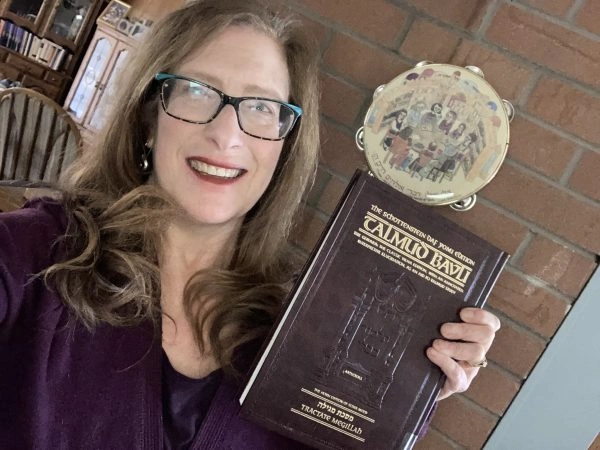
Denver, United States
With Rabbanit Dr. Naomi Cohen in the Women’s Talmud class, over 30 years ago. It was a “known” class and it was accepted, because of who taught. Since then I have also studied with Avigail Gross-Gelman and Dr. Gabriel Hazut for about a year). Years ago, in a shiur in my shul, I did know about Persians doing 3 things with their clothes on. They opened the shiur to woman after that!

Haifa, Israel
Last cycle, I listened to parts of various מסכתות. When the הדרן סיום was advertised, I listened to Michelle on נידה. I knew that בע”ה with the next cycle I was in (ב”נ). As I entered the סיום (early), I saw the signs and was overcome with emotion. I was randomly seated in the front row, and I cried many times that night. My choice to learn דף יומי was affirmed. It is one of the best I have made!

אפרת, Israel
When the new cycle began, I thought, If not now, when? I’d just turned 72. I feel like a tourist on a tour bus passing astonishing scenery each day. Rabbanit Michelle is my beloved tour guide. When the cycle ends, I’ll be 80. I pray that I’ll have strength and mind to continue the journey to glimpse a little more. My grandchildren think having a daf-learning savta is cool!

Jerusalem, Israel
Geri Goldstein got me started learning daf yomi when I was in Israel 2 years ago. It’s been a challenge and I’ve learned a lot though I’m sure I miss a lot. I quilt as I listen and I want to share what I’ve been working on.

Ottawa, Canada
I began Daf Yomi with the last cycle. I was inspired by the Hadran Siyum in Yerushalayim to continue with this cycle. I have learned Daf Yomi with Rabanit Michelle in over 25 countries on 6 continents ( missing Australia)

Silver Spring, MD, United States
I started my Daf Yomi journey at the beginning of the COVID19 pandemic.
Los Angeles, United States
Chullin 65
בְּתַרְתֵּי תֵּיבוֹת, שְׁמַע מִינַּהּ תְּרֵי שֵׁמוֹת נִינְהוּ.
into two words, conclude from it that they are two names, prohibiting the egg as well.
אֶלָּא מֵעַתָּה ״אֶת כְּדׇר לָעֹמֶר״ דְּפָסֵק לְהוּ סָפְרָא בִּתְרֵי, הָכִי נָמֵי דִּתְרֵי שְׁמֵי נִינְהוּ? אָמְרִי: הָתָם בִּשְׁתֵּי תֵּיבוֹת פָּסֵיק לְהוּ, בִּשְׁנֵי שִׁיטִין לָא פָּסֵיק לְהוּ, אֲבָל הָכָא אֲפִילּוּ בִּשְׁנֵי שִׁיטִין נָמֵי פָּסֵיק לְהוּ.
The Gemara asks: If that is so, what about the name: “Chedorlaomer” (Genesis 14:4), which the scribe splits in two so that it appears as: Chedor Laomer? Is it also true there that they are two names? The verse is clearly referring to only one person. They say in response: There, with regard to Chedor Laomer, the scribe splits the name into two words, but he may not split it into two lines if the first half nears the end of one line. But here, he may split the name bat ya’ana even into two lines, indicating that they are completely separate.
אֲבָל אָמְרוּ חֲכָמִים: כׇּל עוֹף. תַּנְיָא, רַבָּן גַּמְלִיאֵל אוֹמֵר: דּוֹרֵס וְאוֹכֵל – בְּיָדוּעַ שֶׁהוּא טָמֵא, יֵשׁ לוֹ אֶצְבַּע יְתֵירָה וְזֶפֶק וְקֻרְקְבָנוֹ נִקְלָף – בְּיָדוּעַ שֶׁהוּא טָהוֹר. רַבִּי אֶלְעָזָר בְּרַבִּי צָדוֹק אוֹמֵר: מוֹתְחִין לוֹ חוּט שֶׁל מְשִׁיחָה, אִם חוֹלֵק אֶת רַגְלָיו, שְׁתַּיִם לְכָאן וּשְׁתַּיִם לְכָאן – טָמֵא, שָׁלֹשׁ לְכָאן וְאַחַת לְכָאן – טָהוֹר. רַבִּי שִׁמְעוֹן בֶּן אֶלְעָזָר אוֹמֵר: כׇּל עוֹף הַקּוֹלֵט מִן הָאֲוִיר – טָמֵא.
§ The mishna states: But the Sages stated that any bird that claws its prey and eats it is non-kosher. It is taught in a baraita: Rabban Gamliel says: A bird that claws its prey and eats it is certainly non-kosher. If it has an extra digit and a crop, and its gizzard can be peeled, it is certainly kosher. Rabbi Elazar, son of Rabbi Tzadok, says: One stretches a line, and the bird perches on it. If it splits its feet on the line, with two digits here and two there, it is non-kosher. If it places three digits here and one there, it is possibly kosher. Rabbi Shimon ben Elazar says: Any bird that catches food out of the air is non-kosher.
צִיפַּרְתָּא נָמֵי מִקְלָט קָלְטָה! אָמַר אַבָּיֵי: ״קוֹלֵט וְאוֹכֵל״ קָאָמְרִי.
The Gemara interjects: But the tziparta also catches food out of the air, and it is kosher. Abaye said: We say this only for a bird that both catches and eats its food in the air. The tziparta lands before eating what it has caught.
אֲחֵרִים אוֹמְרִים: שָׁכֵן עִם טְמֵאִים – טָמֵא, עִם טְהוֹרִים – טָהוֹר.
The baraita concludes: Others say: If a bird dwells with non-kosher birds, it is non-kosher; if it dwells with kosher birds, it is kosher.
כְּמַאן? כְּרַבִּי אֱלִיעֶזֶר, דְּתַנְיָא: רַבִּי אֱלִיעֶזֶר אוֹמֵר: לֹא לְחִנָּם הָלַךְ זַרְזִיר אֵצֶל עוֹרֵב, אֶלָּא מִפְּנֵי שֶׁהוּא מִינוֹ. אֲפִילּוּ תֵּימָא רַבָּנַן, שָׁכֵן וְנִדְמֶה קָאָמְרִינַן.
The Gemara asks: In accordance with whose opinion is this last statement? Perhaps it is in accordance with the opinion of Rabbi Eliezer, as it is taught in a baraita: Rabbi Eliezer says: It was not for naught that the zarzir went to dwell with the crow, but because it is of the same species. The Gemara rejects this: You may even say that the opinion introduced with the words: Others say, is like that of the Rabbis, who disagree with Rabbi Eliezer and deem the zarzir kosher. The statement introduced with the words: Others say, is understood as follows: We say that a bird is non-kosher whenever it both dwells with a non-kosher bird and resembles it. The zarzir, though, does not resemble the crow.
וּבַחֲגָבִים, כֹּל שֶׁיֵּשׁ לוֹ כּוּ׳. מַאי רוּבּוֹ? אָמַר רַב יְהוּדָה אָמַר רַב: רוֹב אׇרְכּוֹ, וְאָמְרִי לַהּ: רוֹב הֶקֵּיפוֹ. אָמַר רַב פָּפָּא: הִלְכָּךְ בָּעֵינַן רוֹב אׇרְכּוֹ, וּבָעֵינַן רוֹב הֶקֵּיפוֹ.
§ The mishna states: And with regard to grasshoppers, any grasshopper that has four legs, and four wings, and two additional jumping legs, and whose wings cover most of its body, is kosher. The Gemara asks: What is considered most of its body? Rav Yehuda said that Rav said: Most of its length. And some say that he said: Most of its circumference. Rav Pappa said: Therefore, one must satisfy both versions of the statement. We require that the wings cover most of its length, and we also require that they cover most of its circumference.
תָּנוּ רַבָּנַן: אֵין לוֹ עַכְשָׁיו וְעָתִיד לְגַדֵּל לְאַחַר זְמַן, כְּגוֹן הַזַּחַל – מוּתָּר. רַבִּי אֶלְעָזָר בְּרַבִּי יוֹסֵי אוֹמֵר: ״אֲשֶׁר לֹא כְרָעַיִם״ – אַף עַל פִּי שֶׁאֵין לוֹ עַכְשָׁיו וְעָתִיד לְגַדֵּל לְאַחַר זְמַן. מַאי זַחַל? אָמַר אַבָּיֵי: אַסְקְרָא.
The Sages taught in a baraita: A grasshopper that has no wings now but will grow them after a time, e.g., the zaḥal, is permitted. Rabbi Elazar, son of Rabbi Yosei, says: The verse states: “Yet these may you eat of all winged swarming things that go upon all fours, which have [lo] jointed legs above their feet, wherewith to leap upon the earth” (Leviticus 11:21). The word lo is written with the letter alef, meaning not, so that it can be understood as: Do not have jointed legs. This teaches that even though it has no jointed legs now but will grow them after a time, it is still kosher. The Gemara asks: What is the zaḥal? Abaye said: It is called askarin in Aramaic.
תָּנוּ רַבָּנַן: ״אֶת אֵלֶּה מֵהֶם תֹּאכֵלוּ אֶת הָאַרְבֶּה וְגוֹ׳״. אַרְבֶּה – זֶה גּוֹבַאי, סַלְעָם – זֶה רָשׁוֹן, חַרְגּוֹל – זֶה נִיפּוּל, חָגָב – זֶה נַדְיָאן. מָה תַּלְמוּד לוֹמַר ״לְמִינוֹ״ ״לְמִינֵהוּ״ ״לְמִינֵהוּ״ ״לְמִינֵהוּ״ אַרְבַּע פְּעָמִים? לְהָבִיא צִיפּוֹרֶת כְּרָמִים, וְיוֹחָנָא יְרוּשַׁלְמִית, וְהָעַרְצוּבְיָא, וְהָרַזְבָּנִית.
The Sages taught in a baraita that the verse states: “These of them you may eat: The arbeh after its kinds, and the solam after its kinds, and the ḥargol after its kinds, and the ḥagav after its kinds” (Leviticus 11:22). The arbeh is the insect known as the govai. The solam is the rashon. The ḥargol is the nippul. The ḥagav is the gadyan. Why must the verse state: “After its kinds,” “after its kinds,” “after its kinds,” and “after its kinds,” four times? It is to include four similar species: The vineyard bird, and the Jerusalem yoḥana, and the artzuveya, and the razbanit, which are also kosher.
דְּבֵי רַבִּי יִשְׁמָעֵאל תָּנָא: אֵלּוּ כְּלָלֵי כְלָלוֹת, וְאֵלּוּ פְּרָטֵי פְרָטוֹת. ״אַרְבֶּה״ – זֶה ״גּוֹבַאי״, ״לְמִינוֹ״ לְהָבִיא
The school of Rabbi Yishmael taught: These appearances of the phrase “after its kinds” in the verse are generalizations, and these species mentioned explicitly are details. The verse must be understood in light of the previous verse, which offers general signs of a kosher grasshopper. The two verses together are a generalization, and a detail, and a generalization, in the following manner: The first verse is a generalization, arbeh is a detail referring to the species govai, and the phrase “after its kinds” is another generalization. According to Rabbi Yishmael’s hermeneutical principles, the second generalization serves to include a case similar to the detail. In this case, the phrase “after its kinds” serves to include
צִיפּוֹרֶת כְּרָמִים.
the vineyard bird, which is similar to the arbeh in that its forehead is not smooth but has small hairs.
אֵין לִי אֶלָּא הַבָּא וְאֵין לוֹ גַּבַּחַת. הַבָּא וְיֵשׁ לוֹ גַּבַּחַת מִנַּיִן? תַּלְמוּד לוֹמַר ״סׇלְעָם״ – זֶה נִיפּוּל, ״לְמִינֵהוּ״ – לְהָבִיא אֶת הָאוּשְׁכָּף.
I have derived only that a species that comes before a person and does not have a smooth forehead is kosher. From where is it derived that even one that comes before a person and has a smooth forehead is kosher? The verse states: “Solam,” and this is the nippul, which has a smooth forehead. The phrase “after its kinds” that follows solam is another generalization, which serves to include a case similar to the detail, i.e., the ushkaf, which has a smooth forehead like the solam.
וְאֵין לִי אֶלָּא הַבָּא וְאֵין לוֹ גַּבַּחַת. הַבָּא וְיֵשׁ לוֹ גַּבַּחַת, הַבָּא וְאֵין לוֹ זָנָב, הַבָּא וְיֵשׁ לוֹ זָנָב מִנַּיִן? תַּלְמוּד לוֹמַר ״חַרְגֹּל״ – זֶה רָשׁוֹן, ״לְמִינֵהוּ״ – לְהָבִיא אֶת הַכַּרְסֶפֶת וְאֶת הַשַּׁחֲלָנִית.
And I have derived only that a species that comes before a person and does not have a smooth forehead, like the arbeh, or one that comes before a person and has a smooth forehead, like the solam, or one that comes before a person and has no tail, is kosher, since none of the previously mentioned grasshoppers have a tail. From where is it derived that even one that comes before a person and has a tail is kosher? The verse states: “Ḥargol,” and this is the rashon, which has a tail. The phrase “after its kinds” that follows ḥargol is another generalization, and it serves to include the karsefet and the shaḥlanit, which also have tails.
וְאֵין לִי אֶלָּא הַבָּא וְאֵין לוֹ גַּבַּחַת. הַבָּא וְיֵשׁ לוֹ גַּבַּחַת, הַבָּא וְאֵין לוֹ זָנָב, הַבָּא וְיֵשׁ לוֹ זָנָב, הַבָּא וְאֵין רֹאשׁוֹ אָרוֹךְ, הַבָּא וְרֹאשׁוֹ אָרוֹךְ מִנַּיִן?
And I have derived only that a species that comes before a person and does not have a smooth forehead, or that comes before a person and has a smooth forehead, or that comes and has no tail, or that comes and has a tail, or that comes and its head is not long, is kosher, since every grasshopper mentioned until this point does not have a long head. From where is it derived that even one that comes and its head is long is kosher?
אָמַרְתָּ: הֲרֵי אַתָּה דָן בִּנְיַן אָב מִשְּׁלׇשְׁתָּן, לֹא רְאִי אַרְבֶּה כִּרְאִי חַרְגּוֹל, וְלֹא רְאִי חַרְגּוֹל כִּרְאִי אַרְבֶּה, וְלֹא רְאִי שְׁנֵיהֶם כִּרְאִי סׇלְעָם, וְלֹא רְאִי סׇלְעָם כִּרְאִי שְׁנֵיהֶם. הַצַּד הַשָּׁוֶה שֶׁבָּהֶן – שֶׁיֵּשׁ לוֹ אַרְבַּע רַגְלַיִם, וְאַרְבַּע כְּנָפַיִם, וְקַרְצוּלַּיִם, וּכְנָפָיו חוֹפִין אֶת רוּבּוֹ; אַף כֹּל שֶׁיֵּשׁ לוֹ אַרְבַּע רַגְלַיִם, וְאַרְבַּע כְּנָפַיִם, וְקַרְצוּלַּיִם, וּכְנָפָיו חוֹפִין אֶת רוּבּוֹ.
You will say: You derive a paradigm from the three of them, as follows: The aspect [re’i] of the arbeh, which has neither smooth forehead nor tail, is not similar to the aspect of the ḥargol, which has both; and the aspect of the ḥargol is not similar to the aspect of the arbeh. And the aspect of neither of them is similar to the aspect of the solam, which has a smooth forehead but no tail, and the aspect of the solam is similar to neither of their aspects. The characteristic that renders them all kosher can only be an aspect common to all of them. Their common denominator is that each has four legs, and four wings, and jumping legs, and its wings cover most of its body. So too, any other species that has four legs, and four wings, and jumping legs, and its wings cover most of its body is kosher, even if its head is long.
וַהֲלֹא הַצַּרְצוּר הַזֶּה יֵשׁ לוֹ אַרְבַּע רַגְלַיִם, וְאַרְבַּע כְּנָפַיִם, וְקַרְצוּלַּיִם, וּכְנָפָיו חוֹפִין אֶת רוּבּוֹ, יָכוֹל יְהֵא מוּתָּר? תַּלְמוּד לוֹמַר ״חָגָב״, שֶׁשְּׁמוֹ חָגָב.
One might ask: But doesn’t this tzartzur have four legs, and four wings, and jumping legs, and its wings cover most of its body? Consequently, one might have thought that it should be permitted. Therefore, the verse states: “Ḥagav,” to indicate that its name must be ḥagav. This includes all of the species previously mentioned, but not the tzartzur.
אִי שְׁמוֹ חָגָב, יָכוֹל אֵין בּוֹ כׇּל הַסִּימָנִין הַלָּלוּ? תַּלְמוּד לוֹמַר ״לְמִינֵהוּ״ – עַד שֶׁיְּהֵא בּוֹ כׇּל הַסִּימָנִין הַלָּלוּ.
But if its name must be ḥagav, one might have thought that any ḥagav is kosher, even if it does not have all these signs. Therefore, the verse states: “After its kinds,” indicating that even if it is called a ḥagav it is not kosher unless it has all these signs. This concludes the baraita of the school of Rabbi Yishmael.
פָּרֵיךְ רַב אַחַאי: מָה לְהָנָךְ, שֶׁכֵּן אֵין רֹאשָׁן אָרוֹךְ? וְכִי תֵּימָא: כֵּיוָן דְּשָׁווּ בְּאַרְבַּע סִימָנִין מַיְיתִינַן וְלָא פָּרְכִינַן – אִי הָכִי, חַרְגּוֹל נָמֵי דְּשָׁווּ לְהוּ, לָא לִיכְתּוֹב וְתֵיתֵי מֵאַרְבֶּה וְסׇלְעָם!
Rav Aḥai refutes the baraita: The four signs listed are not the sole common denominators between the arbeh, ḥargol, and solam. What is also unique about these grasshoppers in addition to these signs? They are unique in that their heads are not long. If so, grasshoppers with long heads might not be kosher. And if you would say: Since they share these four signs, we include all others with these four signs and we do not refute them, since the included species need not be identical in all their aspects, if so, the Torah should not even write the ḥargol, which shares these four signs with the arbeh and the solam, and let it be derived that the ḥargol is kosher by inference from the common denominators between the arbeh and solam.
אֶלָּא, אִיכָּא לְמִיפְרַךְ: מָה לְהָנָךְ שֶׁכֵּן אֵין לָהֶן זָנָב. הָכִי נָמֵי אִיכָּא לְמִיפְרַךְ: מָה לְהָנָךְ שֶׁכֵּן אֵין רֹאשָׁן אָרוֹךְ?
Rather, it was necessary for the verse to write ḥargol because if it were omitted, its inclusion could be refuted as follows: What is unique about these, the arbeh and solam? They are unique in that they both have no tail. Since the ḥargol has a tail, its kosher status cannot be inferred from theirs. So too, the inclusion of grasshoppers with long heads can be refuted as follows: What is unique about these, the arbeh, ḥargol, and solam? They are unique in that their heads are not long. If so, grasshoppers with long heads might not be kosher.
אֶלָּא אָמַר רַב אַחַאי: סׇלְעָם יַתִּירָא הוּא, לָא לִיכְתּוֹב רַחֲמָנָא ״סׇלְעָם״, וְתֵיתֵי מֵאַרְבֶּה וּמֵחַרְגּוֹל, דְּמַאי פָּרְכַתְּ? מָה לְאַרְבֶּה דְּאֵין לוֹ גַּבַּחַת – הֲרֵי חַרְגּוֹל דְּיֵשׁ לוֹ גַּבַּחַת, מָה לְחַרְגּוֹל דְּיֵשׁ לוֹ זָנָב – הֲרֵי אַרְבֶּה דְּאֵין לוֹ זָנָב, סׇלְעָם דִּכְתַב רַחֲמָנָא לְמָה לִי? אִם אֵינוֹ עִנְיָן לְגוּפוֹ – תְּנֵהוּ עִנְיָן לְרֹאשׁוֹ אָרוֹךְ.
Rather, Rav Aḥai said: One can derive that grasshoppers with long heads are kosher as follows: The solam mentioned in the verse is redundant. How so? Let the Merciful One not write solam, and instead let it be derived by inference from the common denominators between the arbeh and ḥargol, that they have four legs, four wings, jumping legs, and that their wings cover most of their body. As what can you say to refute this? If you say: What can be derived from the arbeh, which, unlike the solam, does not have a smooth forehead; one can respond: But there is the ḥargol, which has a smooth forehead. And if you say: What can be derived from the ḥargol, which, unlike the solam, has a tail, one can respond: But there is the arbeh, which has no tail. If so, why do I need the solam that the Merciful One wrote? Rather, if the solam is not necessary for the matter itself, apply it to the matter of a long-headed grasshopper, to teach that it is kosher.

